Sensex rises 427 points and rupee hits seven-month high on foreign inflows
Foreign buying and softer crude lifted stocks for a second day. Same-day warnings on growth and interest rates got little space in market reports.
The story
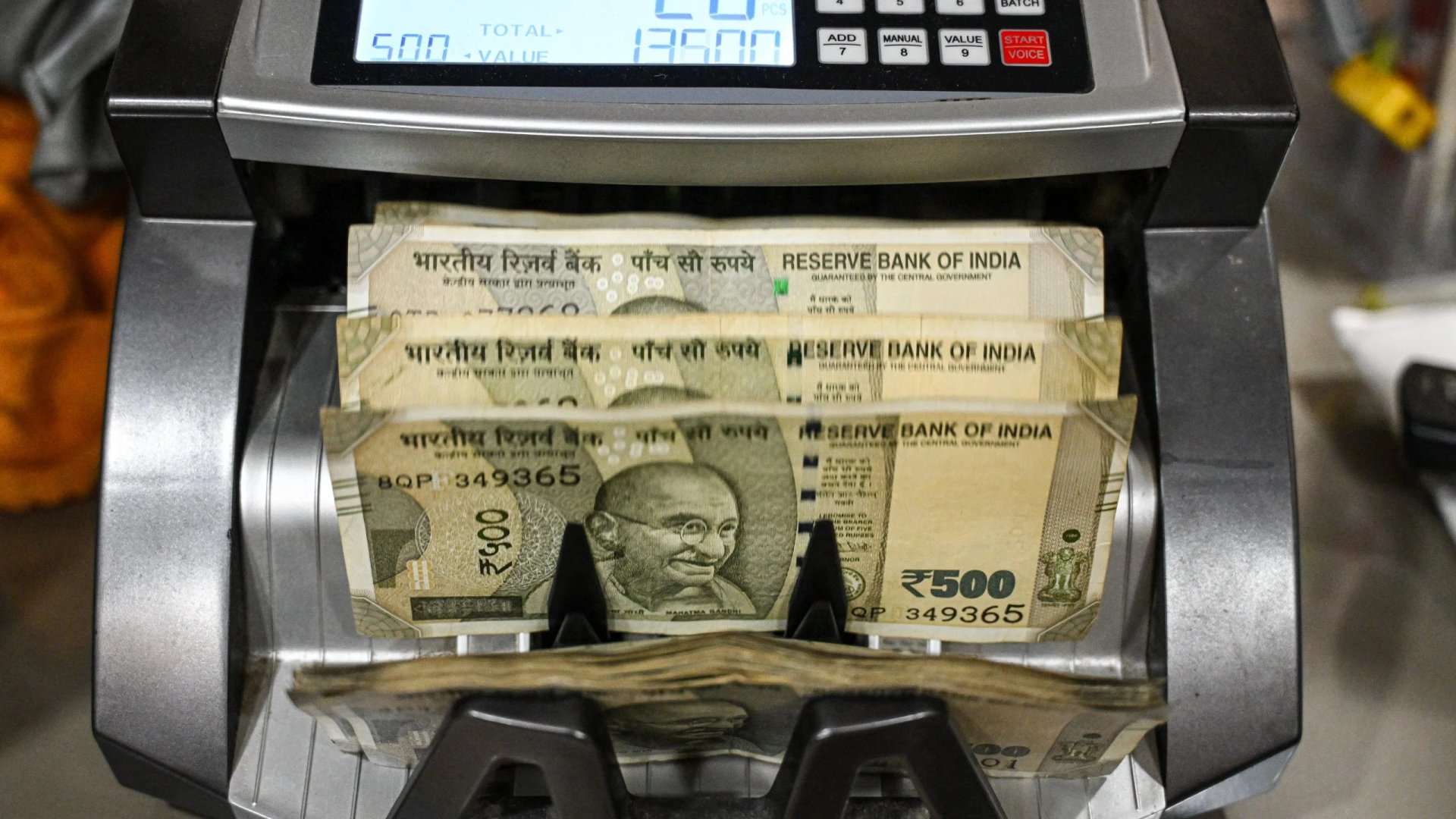
The Sensex closed 427.40 points higher at 82,532.19 on 17 November, PTI reported. The rupee rose 43 paise to 93.51 per dollar, its highest level in seven months.
- Indian stocks rose for a second straight day on 17 November, PTI reported.
- The Sensex gained 427.40 points, or 0.52%, to 82,532.19. During the day it touched 82,897.49. The Nifty rose 96.30 points, or 0.38%, to 25,387.40.
- Bank Nifty rose 1.13% to a record close of 62,273.25. PSU bank shares gained 2.06%. IT shares lagged, PTI reported.
- Foreign investors bought shares worth Rs 4,864.68 crore on Monday, 16 November, PTI reported. Brent crude traded at $92.68 a barrel.
- The rupee closed at 93.51 against the dollar, up from 93.94 the day before, PTI reported.
- Vinod Nair of Geojit credited "sustained foreign inflows and softer crude." He said IT lagged on a "global unwinding of expensive AI trades."
- Reuters, carried by The Week, put foreign buying at about $8.9 billion in November as of 16 November. It called this a record month. Other outlets gave totals up to $11 billion with later cut-off dates.
How each side told it
Left outlets mostly ran the PTI wire. Deccan Herald and The Hindu both carried: "Stock markets rally for 2nd day on foreign fund inflows, moderate crude oil prices." The Telegraph led with the numbers: "Sensex climbs 427 points to settle at 82,532." The PTI copy quoted an analyst first, who credited crude and foreign money. Its only caution was on IT shares, in its last analyst paragraph. Inflation, rate hikes and growth did not appear in the PTI copy we read. Deccan Herald did run the ICRA growth forecast, under a separate headline.

 Sensex climbs 427 points to settle at 82,532, Nifty up 96 points to 25,387The Telegraph (India)

What got buried
The rupee's rise had a back story that market reports skipped. Economist Renuka V Sane wrote in ThePrint on 17 November that the RBI's dollar swap window drew $133 billion. She wrote that India's reserves fell from $786 billion to $720 billion as the RBI sold dollars. Its forward dollar obligations rose from $103 billion to $239 billion, she wrote. She put the cost at Rs 0.6 lakh crore to Rs 1.3 lakh crore. In the 4 market reports we read, none mentioned the swap. The column we read did not date each figure.
Why it matters to you
A stronger rupee makes dollar bills cheaper. At 93.94, a $1,000 bill costs Rs 93,940. At 93.51, it costs Rs 93,510. That is Rs 430 less, or about 0.46%. Two same-day headlines pointed the other way. ICRA forecast July to September growth at 7.5%, a five-quarter low. The Economic Times reported a forecast that the RBI may raise its repo rate by 25 basis points at each of its next two reviews. We read those headlines, not the full reports. News18 ran a guide on whether rising inflation could make home loans costlier. If you have a floating-rate loan, watch the December review.
The bigger the rally, the smaller the risk paragraph gets.
All coverage
- Rupee rises 43 paise to close at 93.51 against US dollar
- Sensex climbs 427 points to settle at 82,532, Nifty up 96 points to 25,387
- Rupee rises 43 paise to close at 93.51 (provisional) against U.S. dollar
 Bank Nifty hits record high What’s driving the rally, and can it last?
 Nifty, Sensex extend rally on FII inflows; Bank Nifty hits fresh 52-week high
 Nifty 50 hits 9-month high, crosses 25,500: Can the rally extend towards 25,800? Here's what analysts say
 Bank Nifty pares gains but closes at all-time high: Where is sectoral index headed? Check support and...
 Rupee rises 43 paise to settle at its seven-month high level of 93.51 against US dollar
 Nifty, Sensex extend rally on FII inflows; Bank Nifty hits fresh 52-week high
 FPI positioning in financials below average signals potential for further inflows: Jefferies
 Sensex, Nifty, Indian stock market, BSE, NSE, FII inflows, Foreign Institutional Investors
 Sensex, Nifty erase US-Iran war losses: 5 factors that drove market rally
 Dalal Street extends winning streak; Sensex up 427 points, Nifty above 25,350
 Nifty, Sensex extend rally on FII inflows - News18
 Why Jefferies Sees Scope For Fresh FPI Buying In India's Financial Sector
What we read to write this
- ThePrint (PTI) Stock markets rally for 2nd day on foreign fund inflows, moderate crude oil prices
- ThePrint (PTI) Rupee rises 43 paise to settle at its seven-month high level of 93.51 against US dollar
- The Week Sensex jumps 427 Points: How crude oil and banks drove today's stock market
- The Week (Reuters) Indian equities open higher on foreign buying
- ThePrint RBI defended the rupee with a massive dollar swap. Who pays the bill?
Loading the discussion.