Sonia Gandhi's memoir 'Belonging' sets off a row over Bofors, Babri and Nitish Kumar
BJP leaders said the book glosses over Bofors. JD(U) objected to how it describes Nitish Kumar. Rahul Gandhi said the criticism would help sales.
The story
Sonia Gandhi's memoir, Belonging: A Journey of Love, went on sale on 10 November. By 13 November, the BJP, JD(U) and Rahul Gandhi were arguing over what it says and what it skips.
- HarperCollins published the book in India, PTI reported. It went on sale on Tuesday, 10 November.
- The book says the Bofors campaign against Rajiv Gandhi was "supported by a corporate house and some within the Congress Party," ThePrint reported. It does not name the corporate house.
- BJP spokesperson Pradeep Bhandari said the book "revolves around the Bofors scandal and Congress's Babri vote-bank politics," ANI reported.
- On Nitish Kumar, PTI paraphrased the book as saying he was looking for a way out of the INDIA bloc. JD(U) spokesperson Rajeev Ranjan Prasad said the party was "deeply aggrieved."
- The book also recalls Sonia Gandhi touching Sitaram Kesri's feet after a 1998 Congress Working Committee meeting, PTI reported.
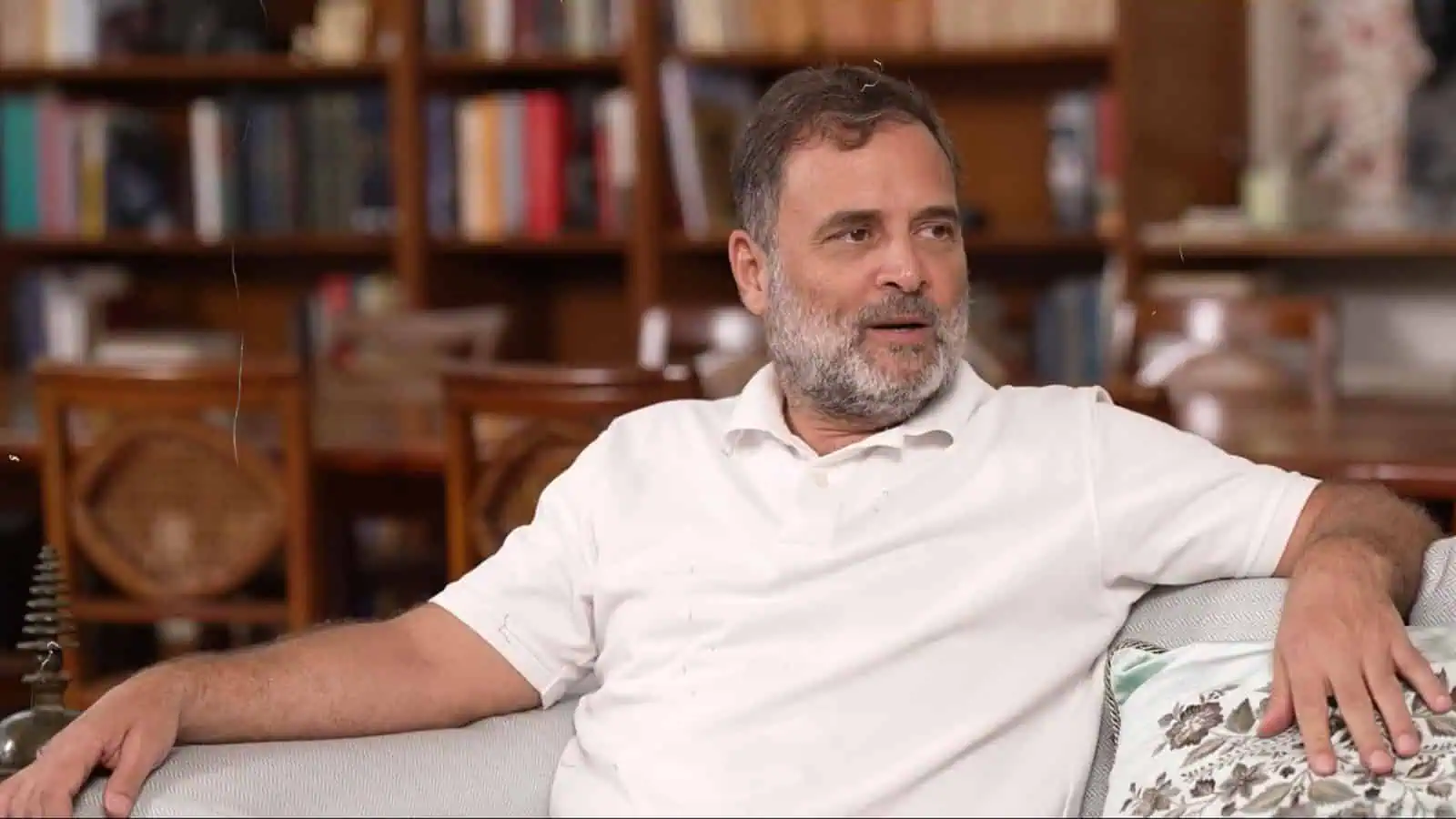
- On 13 November, Rahul Gandhi said the more the "Bhakts" commented, the better the book would do, PTI reported. He added, "A lot of them actually secretly like her."
- The reports we read don't quote the book's exact words on Nitish Kumar.
How each side told it
The left led with Congress voices. The Hindu and Deccan Herald both headlined Rahul Gandhi: "More the bhakts comment, better it would do." The Hindu also ran K.C. Venugopal: "Whenever truth comes out, BJP gets scared." Outlook picked a gap in the book about the Bachchans: "But Skips Rajiv Gandhi Friendship." The PTI version of the Rahul Gandhi story, which we read, held the BJP's "whitewashing" charge until paragraph 7. We could not read the Hindu or Deccan Herald texts.
Missing context
The Delhi High Court ruled on Bofors on 4 February 2004, The Tribune reported the next day. Justice J.D. Kapoor held there was "no evidence" that Rajiv Gandhi or any public servant got money from the deal. Because Rajiv Gandhi had died, the court said he could not be proceeded against. It dropped bribery charges against the Hinduja brothers under the Prevention of Corruption Act. Cheating and conspiracy charges against the Hindujas went to the Delhi Chief Metropolitan Magistrate. So did a forgery charge against AB Bofors under Section 465 of the Indian Penal Code.
What got buried
The court record on Bofors sat low. The Delhi High Court quashed the charges against Rajiv Gandhi on 4 February 2004, ThePrint reported in paragraph 11 of its Bofors story. None of the 23 headlines on this story mentioned that ruling. The book's own Bofors claim also went unchecked. It blames "a corporate house" but does not name it, ThePrint said. No report we read asked which company the book meant. The 2004 ruling is a public record anyone can check.
Why it matters to you
For readers, this row is a test of sources. The book is one account, published by HarperCollins. BJP leaders offered a second. JD(U) offered a third on Nitish Kumar. Court records offer a fourth on Bofors, dated 4 February 2004. Each reaction quoted a different part of the story. In the reports we read, the book's Nitish passage reached readers only through PTI's paraphrase. Few of the 23 headlines we counted quoted the book itself. Before you share a line from Belonging, check that it comes from the book.
A memoir is one witness, and the court record is another.
All coverage
 'More the bhakts comment, better it would do': Rahul Gandhi on BJP criticism of Sonia memoir
 'More The Bhakts Comment, Better It Would Do': Rahul On BJP Criticism Of Sonia Memoir
 “Whenever truth comes out, BJP gets scared”: KC Venugopal on criticism of Sonia Gandhi’s memoir
 Sonia Gandhi and Lalu Prasad Yadav: A Foreword, Two Memoirs and a Memory
 Belonging: A Memoir, An Account Of A Journey From Italy To India, Says Uttam
 Sonia book says Nitish Kumar left INDIA bloc meeting after ‘feeble excuse’, JD(U) hits back
 Gandhi and Bachchan families were once inseparable. Sonia’s memoir skips the later fallout
 Rahul Gandhi on BJP criticism of Sonia memoir: More the bhakts comment, better it would do
 Editors' Roundtable discusses Sonia Gandhi's memoir Belonging and its political reflections - India Today
 'They Secretly Like Her': Rahul Gandhi Taunts BJP Leaders On 'Belonging', Says They Can't Resist Reading It
 Tears for Babri, Apathy for Mumbai Terror: The Brazen Hypocrisy and 17 Historical Distortions in Sonia Gandhi’s Memoir
 Sonia Gandhi Book Row: 'Belonging' and Historical Omissions
What we read to write this
- Siasat (PTI) Rahul Gandhi takes swipe at BJP over criticism of Sonia's memoir
- The Week (PTI) Deeply aggrieved by way Nitish Kumar mentioned in Sonia Gandhi's book: JD(U)
- The Week (PTI) Kesri blessed Sonia with teary eyes as she touched his feet after taking over as Cong chief: memoir
- Asianet Newsable (ANI) BJP Targets Sonia Gandhi Over Bofors Scandal After Memoir Release
- ThePrint Gandhi and Bachchan families were once inseparable. Sonia's memoir skips the later fallout
- ThePrint Bofors, betrayal and a media trial: Sonia recalls the campaign that haunted Rajiv Gandhi's final years
- Outlook FIR Against Kangana Ranaut Over Social Media Posts On Gandhi Family Deaths
Loading the discussion.